
A Personal Note on Our Recent Commission in Canada
At the start of this year, I was commissioned to travel to Nova Scotia, Canada, in my capacity as a bunker and survivability specialist representing Subterranean Spaces Global.
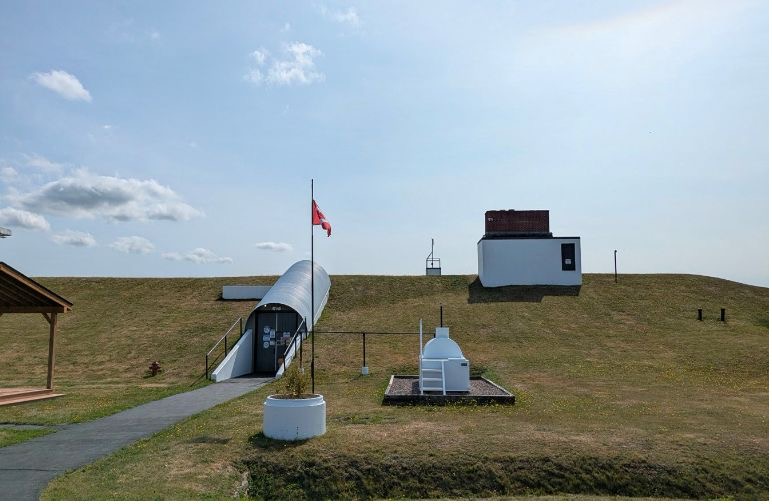
The appointment concerned the redevelopment of a historic Cold War bunker complex — a reinforced concrete structure originally constructed during the 1960s for continuity of government protection. The new owners have acquired the facility with the intention of transforming it into a dual-mode safe haven environment: a functioning luxury hospitality complex in normal operation, capable of converting into a fully autonomous survivability structure in the event of a nuclear or major infrastructure incident.
I was invited specifically to advise on the technical integrity of the bunker systems.
That distinction is important.
There is a significant difference between a reinforced underground structure and a properly engineered survivability environment. My role — and SSG’s role — was to ensure that this project met genuine blast, overpressure and fallout protection standards, rather than relying on assumptions based on age or mass of concrete alone.
During the commission, we worked alongside architects, mechanical engineers, structural consultants and cost advisers to review and guide:
• Blast overpressure exposure and structural assessment
• Radiation mitigation and fallout ingress prevention
• Pressurised CBRN air filtration strategy
• Redundant power generation and load segregation
• Water storage and protected drainage systems
• Service penetrations and contamination control
• Data centre resilience and environmental cooling strategy
• Integration of hydroponic food production for partial autonomy
These systems must work together. Survivability is never achieved through one discipline alone.
The Canadian project required not only technical competence but also strategic thinking — ensuring that the facility could operate in two distinct modes:
Normal hospitality use
Safe haven isolation mode
Transition between those states demands carefully engineered air changeover, overpressure maintenance, service isolation and power continuity. It cannot be improvised.
What this commission reinforced is something I have long maintained: true bunker design is about integration, not appearance. It is about understanding blast physics, radiation behaviour, airflow dynamics, mechanical resilience and human occupation over time.
Subterranean Spaces Global continues to operate in that specialist space.
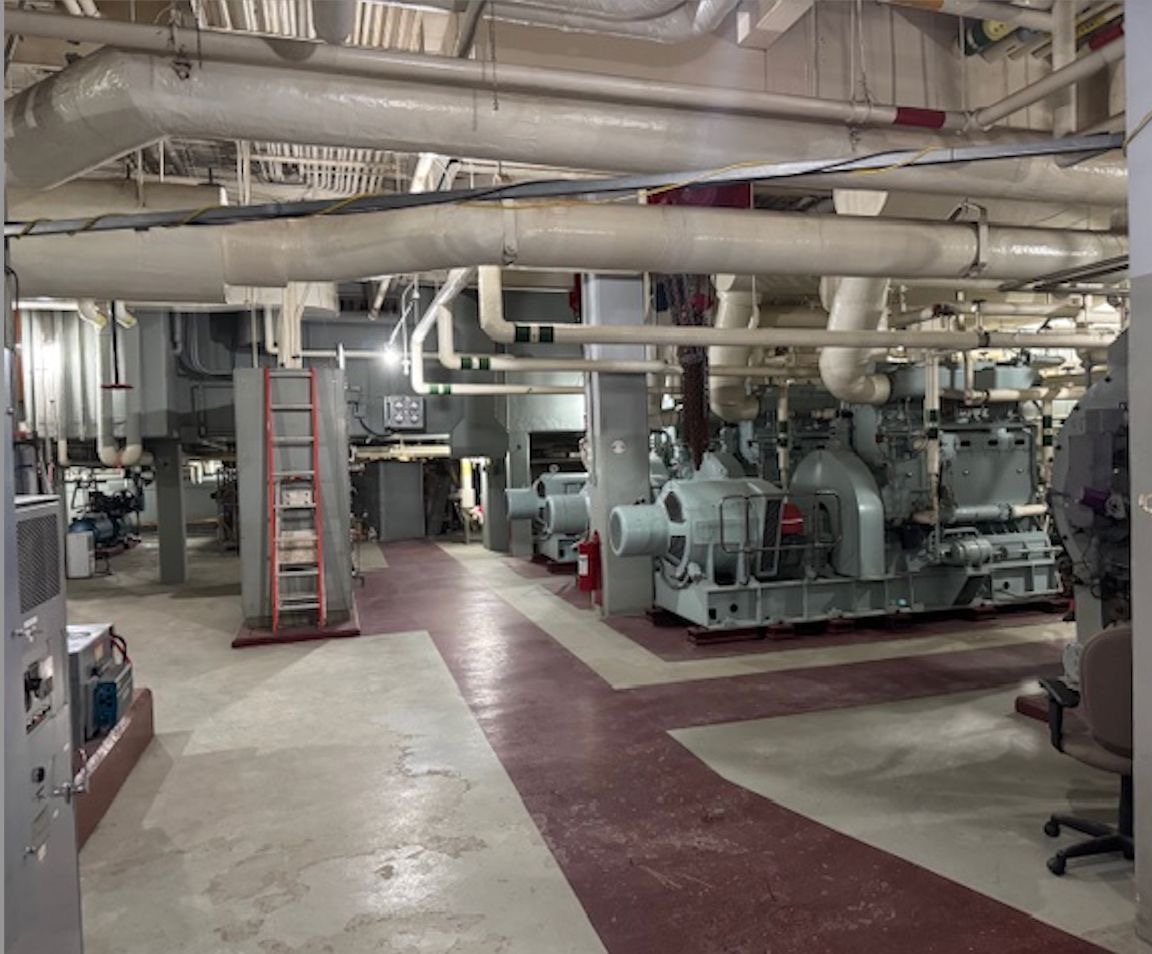
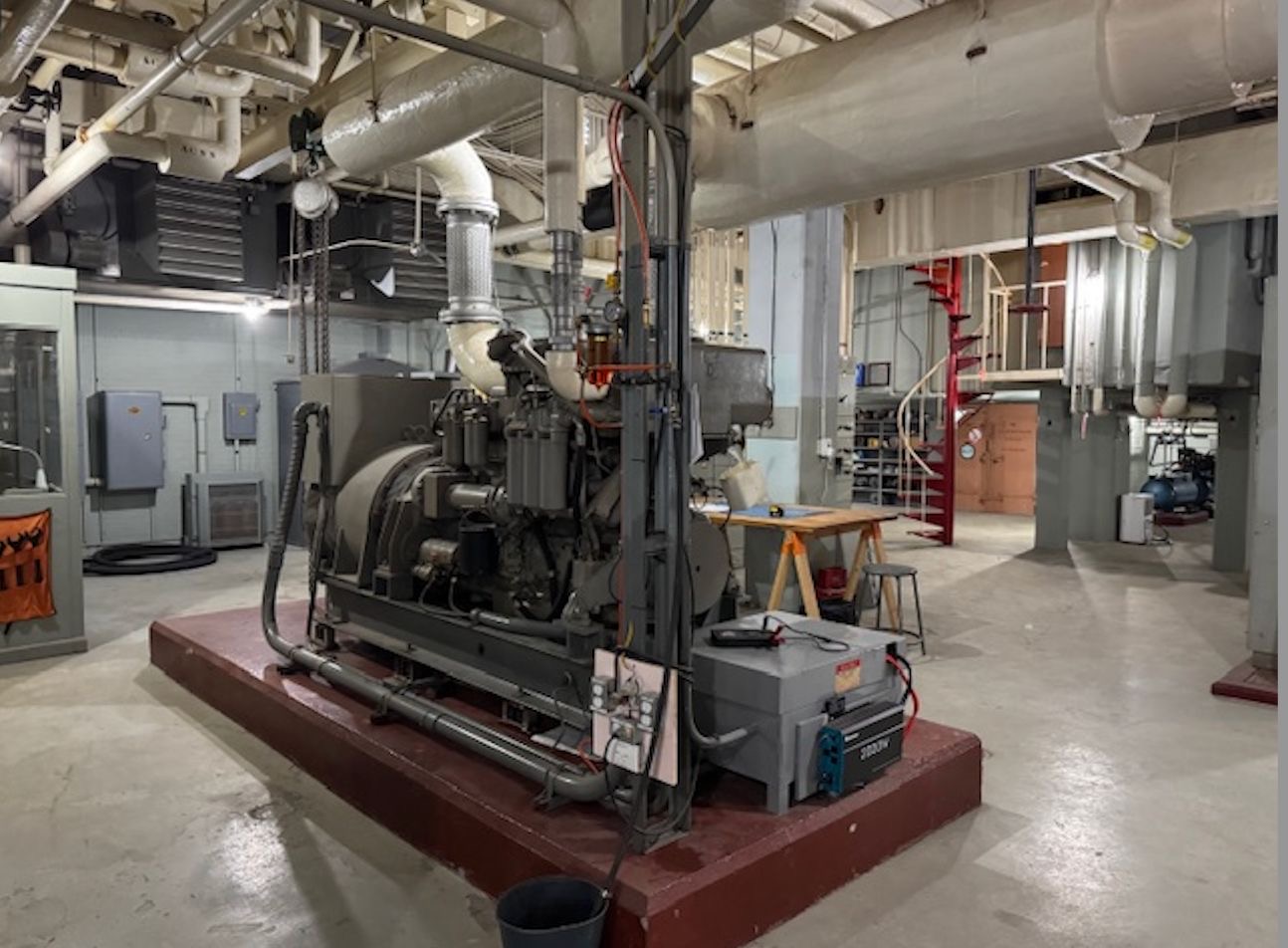
We are not simply suppliers of underground structures. We are designers of resilient infrastructure — whether that involves new-build modular bunkers, refurbishment of legacy Cold War facilities, or complex integrated safe haven developments.
The Canadian commission was a privilege and a responsibility. It demonstrates that SSG is trusted internationally to advise on projects where safety, technical accuracy and long-term resilience are critical.
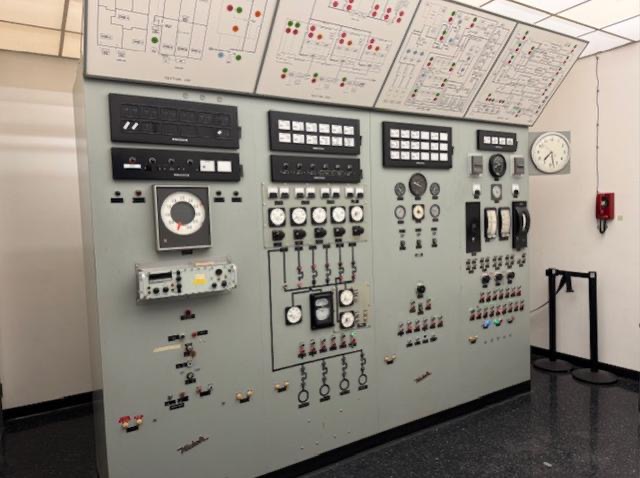
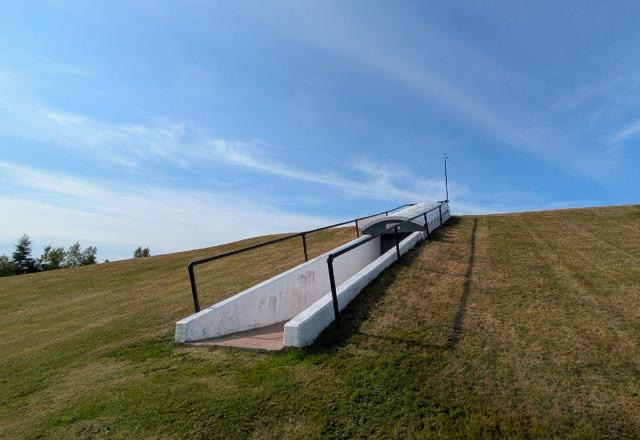
For those of you who have worked with us, you already understand the level of detail we apply. For those considering engaging SSG, I hope this provides further reassurance of our capability and commitment.
As always, if you would like to discuss survivability planning — whether for private, commercial or strategic purposes — I am available to speak directly.
Charles Hardman
Why Choose Subterranean Spaces Global?
With over 25 years of experience, Subterranean Spaces Global delivers advanced underground environments for private, commercial and specialist clients worldwide. Our expertise spans from luxury bunkers and asset security to protected spaces for commercial operations and multi-level facilities. We offer bespoke solutions tailored to your specific needs, backed by a legacy of technical excellence and innovative design.
Each project is tailored to the client's site, risk profile and long-term resilience goals, combining hardened structural engineering, specialist life-support systems, secure access, technical infrastructure and refined interior design.

Ready to Build Your Subterranean Space?
Whether you have an idea or a vision to discuss, or a project you are ready to embark on, get in touch.

Quotations are priced based on country and location
SUBTERRANEAN SPACES GLOBAL

LONDON
The Foundry, 77 Fulham Palace Road, London W6 8JA. UK
Tel: +44 203 026 5088

NEW YORK
99 Wall Street 5568, New York, NY 10005. USA
Tel: +1 332 208 0066
LOS ANGELES
2355 Westwood Boulevard #1820 Los Angeles CA 90064-2109. USA
Tel: +1 213 329-3255